
Summary
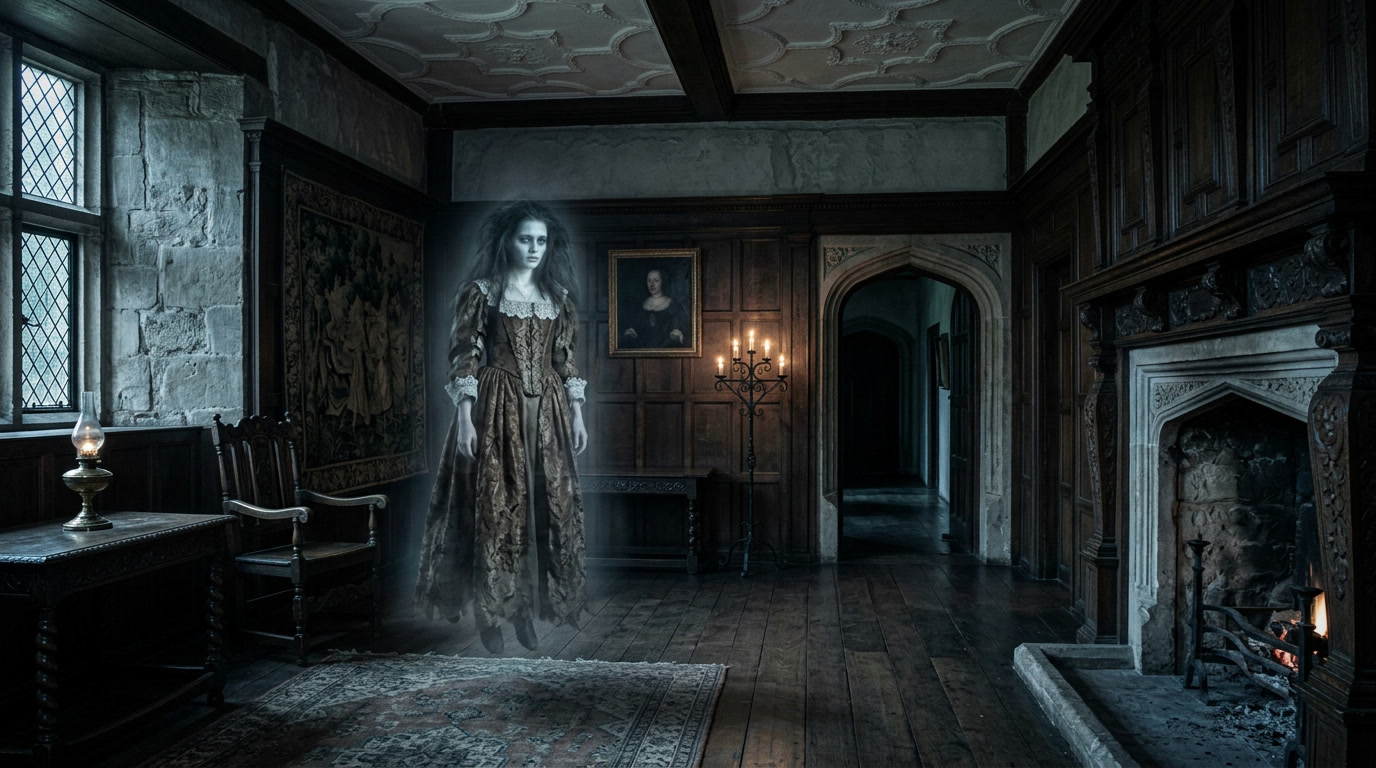
Raynham Hall in Norfolk, England, is associated with one of the world's most famous ghost legends: the Brown Lady. The apparition is traditionally identified as Lady Dorothy Townshend, née Walpole, who died in 1726 and is said to appear wearing a brown brocade dress. The first documented sighting dates to 1835, when Major Loftus and another guest reportedly encountered a woman dressed in brown inside the hall. Further accounts followed, including an extraordinary encounter attributed to Captain Frederick Marryat in the 1830s. Over the following century, several residents and visitors reportedly encountered a similar figure, although the exact number of witnesses cannot be reliably established. The legend became internationally famous in 1936, when two professional photographers working at Raynham Hall captured a translucent human-like figure descending the main staircase.
Additional Notes
The Brown Lady is traditionally identified as Lady Dorothy Townshend, born Dorothy Walpole in 1686. According to later legend, her marriage to Charles Townshend was deeply unhappy and she was confined within Raynham Hall after her husband discovered an earlier relationship. Some versions claim she was prevented from seeing her children and remained effectively imprisoned until her death in 1726. Historical evidence for the more dramatic details of this story is uncertain, and her death is generally attributed to smallpox. One of the best-known early encounters was attributed to naval officer and novelist Captain Frederick Marryat. According to an account later published by his daughter Florence in 1891, Marryat stayed at Raynham Hall in 1836 partly because he wanted to investigate its ghost stories. He reportedly encountered the Brown Lady in a corridor with two other men and fired a revolver at the apparition. The figure allegedly vanished while the bullet passed through the space where it had appeared and struck a door. The account was published decades after the alleged encounter and therefore cannot be treated as a contemporary record. The case became famous worldwide following an incident on September 19, 1936. Country Life photographers Captain Hubert Provand and Indre Shira were photographing Raynham Hall when Shira reportedly saw a “vapoury form” developing on the main staircase and urged Provand to take another exposure. When the photographic plate was developed, it showed a translucent, veiled figure apparently descending the stairs. Country Life published the photograph in December 1936, and it became one of the most recognizable alleged ghost photographs ever produced. The image remains controversial: explanations proposed over the years include double exposure, camera or lighting effects and deliberate manipulation, while supporters have argued that no deception was demonstrated at the time.
The Location Today
Raynham Hall remains a historic family home and estate in Norfolk, associated with the famous Brown Lady photograph. Its official website says hall tours and events will return in 2026; visitors should check published dates rather than assume daily access.
- Environment
- Building / Residence
- Time of Day
- Various – several reports at night
- Evidence Level
- Investigated Case
- Visiting the Location
- Guided, Limited
- Ownership of the Location
- Private